You will find with every crafting project you do there are some basic tools and materials that are always present and it varies between the particular crafts you do. Although, in recent months, we have seen a merge in crafting trends, paper crafting enthusiasts are incorporating sewing and quilting techniques into their projects. For instance, paper crafters are incorporating stitching and trimmings into cards. However, for this particular article we are going to go over seven tools that are absolutely necessary to engage in any paper crafting project.
1) Paper - You can combine many different paper types to maximize the benefits of each. A dazzling selection of papers are now available: marbled, sueded, embossed, metallic, textured, and faux finishes, to name just a few. Papers can also be divided into three basic weights. Common lightweight papers include vellum and tissue papers. Medium-weight papers are the most popular and include most scrapbooking paper. These papers are the most suitable as backgrounds for many projects, as well as for folding projects. Heavyweight papers include corrugated cardboard, card stock and some embossed papers. The thickness of these papers makes it difficult to hold a crease, do choose your paper wisely based on the particular project you are doing.
2) Decorative-edged scissors - Decorative scissors never really go out of style and they add a fun sense of creativity to any paper crafting project.
3) Bone folders - Never heard of these? They are used to smooth and flatten a number of paper surfaces, anywhere from creases to recently glued surfaces.
4) Eyelets & Brads - You can use these as simple embellishments; they come in a plethora of amazing colors and shapes. They are great for attaching photographs, decorative papers, eyelet letters or charms to your pages.
5) Paper punches & Die Cut Machines - These are great for crafters looking for a more economical way to get larger cut-out designs; inexpensive too. You can also make smaller die-cut patterns with the range of press and squeeze punches that are available.
6) Sticker Machines - These eliminate the worry about sticky gooey messes and the wait time for the glue to dry. Sticker/animation machines are available in a small, sticker-sized, 1 1/2 inch wide (4cm) format and also available in the large format capable of applying adhesive to 12-inch squares (30.5 cm). I like to use them with die-cut and punch machines to create a creative masterpiece at little cost. I use it to also make patterned paper for my own projects. The possibilities are endless.
7) Adhesives - The increasing popularity of scrapbooking and paper crafting has brought on a greater need for a more extensive line of adhesives. Here is the line-up: Peel & Stick mounting squares; easy no mess solution, Dimensional Mounting Tabs; ads three-dimensional quality to projects. Basic Craft Glue; which is available in liquid and stick forms, is still a great adhesive choice. Just a quick tip when working with basic craft glue; make sure to choose a clear-drying variety, and look for archival safe glues when working with original photos.
These are the basics of what you would need to create fun and imaginative paper craft projects. You don't need much more than this, you will start to see just how much you can do with these seven tools. Enjoy!
This is where you can really make or break your craft show career. Being able to produce quality crafts as efficiently and affordably as possible is the key to making a tidy profit from craft shows.
How Production Evolves
How you handle production of your craft show items will evolve over time. Initially you may produce all your craft items alone. This will likely be the most cost effective way to start your craft show creations. As your business grows, you may decide it is best to find employees who can recreate your artistic flair – so you can build more products and increase your overall revenue.
Time and experience will help you streamline your production cycle for maximum efficiency. You'll learn as you go how long it takes to produce your craft show items, how long to allow for drying, setting or baking, what quantity of supplies you need for a certain amount of inventory and how much inventory you'll need for a one-day craft show. Basically, you are going to get better and smarter about how to build your craft show items – so you can maximize the profit!
Always have some form of quality control if you're working alone, such as a friend or family member checking your crafts for sturdiness, appearance, etc. If you make jewelry, have someone else try on a necklace to make sure the clasp works, it doesn't fall apart while putting it on and that you are pleased with the appearance. If you have put a frame around a small painting, ensure the frame’s sturdiness, so your craft customer isn’t disappointed when it falls apart. Think about how you will transport your products during the production process, making them sturdy enough to travel or finding strong packing materials through your suppliers.
Over the years, your products will evolve as you make modifications to existing designs and add new products. With feedback from customers and keeping abreast of current trends, as well as developing new skills and interests, you'll probably add new products and remove slower-moving ones. As soon as you see a steady decline in sales, consider dropping the product—don't get attached, this is business. You can always use slower products as bonuses, gift items or for raffle drawings or donations.
Pricing
The crucial question about pricing is: How do I price my craft show products for the best results—good sales and good profit? Can I have both? You may fear that if your prices are too low, you could incur the wrath of your competitors or make less profit. If your prices are too high, your sales will drop. The right price is one of the most significant factors in contributing to your success or failure—and one of the most difficult factors to decide upon.
There are several schools of thought on how to arrive at the best price for your work. Again, time and experience will be your best guides. It is easy enough to raise or lower your price with each craft show you attend and eventually find the best fit. You may even find yourself changing prices at different craft shows as you learn the shopping patterns of your customers. If someone seems interested then walks away, ask them why they didn't buy and if they say price, ask what they would be willing to pay. If you get the same information repeated several times, it's an indication of what customers are willing to pay—at least at that craft show!
Although you need to test your prices, don't make drastic price adjustments in the same weekend, as customers may complain. Make smaller adjustments in different towns based on craft show results and customer feedback. Sometimes the difference in improving your sales can be as small as $1.00, such as lowering a $12.00 item to $10.99. And sometimes selling fewer items at higher prices can be more profitable in the long run.
Take time to consider your price carefully. Consider cost of supplies and labor, craft show fees, transportation and other expenses involved. The efficiency of your production will also have an impact on how much profit you can make from your craft show items, and ultimately both will determine your success on the craft show circuit!
The most fun and frugal craft around is Plastic Canvas Needlepoint. The supplies are very inexpensive and easy to find, plus it's easy to learn for anyone of any age. The charts are easy to read and there's no need to get out the magnifying glass in order to see what you're doing! Even the most inexperienced beginner can turn out a project worthy of admiration.
Plastic Canvas Needlepoint is worked by cutting shaped pieces from sheets of plastic canvas; then working stitches on the canvas. Worsted weight yarn is the most common type of yarn used, but specialty plastic canvas yarn is also available. Details are often worked using regular embroidery stitches and embroidery floss. And plastic canvas is a great way to use up the yarn you have left from other projects.
It's a very rewarding kind of needlework. When you work with plastic canvas, projects are not just flat wall hangings or pillows. Probably the item most people think of when they think of plastic canvas is a tissue box cover, but so much more can be done with plastic canvas, from birdhouses to picture frames to purse accessories to baskets to doorstops. The list just goes on and on!
A handmade gift from the heart is always appreciated. Plastic canvas makes up beautifully into nursery items just perfect for those baby showers. Projects work up quickly and they are very portable. Many stitchers like to keep a totebag just to carry along in order to stitch a little when the opportunity arises.
Make accessories for your own home; any pattern can be customized by changing the colors to match your decor. It is these handmade details that make a house a "Home".
The sheets of plastic canvas are very, very inexpensive. They're readily available at discount and craft stores. Worsted-weight yarn can be purchased at bargain prices, also. Plus, garage sales and yard sales are great places to pick up all kinds and colors of yarn. A little goes a long way in plastic canvas!
So if you're looking for a craft that is fun and affordable, look no further...Plastic Canvas Needlepoint is for you!
According to several recent polls conducted by industry leaders, scrapbooking is one of the fastest growing craft activities.
The latest demographics show the following trends:
- 98% of scrapbookers are females between 30 and 59 years old. Among the age groups who responded to the surveys, scrapbooking, rubber-stamping and paper crafting attract the various generations fairly equally.
- 85% of the respondents are married, and only about 14% do not have children.
- 95% have at least “some college” or attended a trade school.
- 65% of the respondents have college or post-graduate degrees.
- 53% are working full time (40+ hours per week). Another 38% work part time (between 20 –39 hours per week). About 12% of the respondents are retired.
- 85% have incomes over $50,000, and 62% said their annual incomes are over $75,000.
- An interesting fact is that the majority of the respondents (96%) reported that they had been scrapbooking for more than a year. Of those, nearly one quarter had been scrapbooking for at least three years and nearly one third for at least five years.
- On average, 75% of the respondents reported that they had spent more than $500 over the past 12 months on scrapbooking supplies, and 42% reported spending more than $1000.
Interestingly, 74% of the respondents also are involved in rubber-stamping, 46% enjoy paper crafts and 27% say they are involved in Painting/decorative painting. All three of these crafts can, and are used to enhance many scrapbooking projects. Other crafts that scrapbookers are involved with include: Seasonal Crafts (41%), General Crafts (34%), Sewing (fashion/home decorating), Needlework (26%), Quilting (20%), Knitting/Crocheting (17%) and Jewelry Making (10%).
According to the Hobby Industry Association, retail sales for the scrapbooking industry climbed from $400 million in 1997 to $2.5 billion in 2003. Although the industry is still growing, it’s becoming more difficult for independent dealers to make a profit, and oftentimes, any profits made by the smaller “mom and pop” stores must be put back into the business. As the industry has flourished, competition from large corporations has increased.
One of the biggest competitors in the industry is the craft store giant Michael's, operating about 867 stores in 48 states and Canada. Consumers feel that Michael's has a great inventory of supplies which are easy to find and fun for the whole family to use.
Successful independent scrapbooking retailers insist that it’s possible to compete with the giants by being smart and planning for success. They recommend:
- Offer specialized services.
- Don’t put all your eggs in one basket – offer a variety of services and products.
- Become the best at what you do.
In addition to a retail store, craft business owners should build a strong Web presence. The business model should include workshops, craft nights and scrapbooking parties. Look for markets in your area that have not been tapped, such as specific minority groups or new scrapbookers.
Industry insiders insist that the scrapbooking market is still growing and that there is room for anyone who is interested in starting a career. The best advice before starting any business is to conduct careful research and do the necessary preplanning. That way you will know what you are getting into before you start.
Correct Craft is a U.S.-based builder of powerboats primarily for ski and wakeboard use. It was founded in 1925 by Walt C. Meloon as the Florida Variety Boat Company.[1]
Walt C. Meloon created the Florida Variety Boat Company in 1925. During the early days the company built a variety of craft ranging from sailboats to powerboats to race boats. By 1936, the primary focus of the company was the construction of power boats and the company name was officially changed to Correct Craft. Despite the Great Depression, the company continued to grow, developing a reputation for building boats of superior quality and excellent performance.[1]
In the early 1940s through 1957, the recreational boat business prospered and Correct Craft operated an additional manufacturing facility in Titusville, Florida, building boats from 18-55 feet. The advent of fiberglass brought new possibilities to the marine industry in the 1960s and Correct Craft worked with an innovative designer named Leo Bentz to bring the fiberglass Ski Nautique to market in 1961.[1][2]
In the 1970s, Correct Craft produced an array of runabouts, cuddy cabin and center console models including the Southwind, Martinique, Cuddy Nautique and Fish Nautique. During the 1980’s, towed water sports surged and the company’s Ski Nautique 2001 and Barefoot Nautique pulled many tournaments around the world.[1]
In the 1990’s, the focus on having no wake suddenly shifted to creating mountains of water behind the boat for kneeboarding and wakeboarding. Correct Craft caught the wave and invented an innovative tower to add even more height to these extreme sports. The patented Flight Control Tower, combined with factory installed ballast tanks, led to the creation of the Air Nautique.
In the year 2000, Correct Craft purchased 137 acres (0.55 km²) of land for the development of a new manufacturing facility. Construction began in 2005 on a 217,000- square-foot facility and two lakes: one lake for product testing, the other for tournaments and events. On Thursday, July 13, 2006, the first boat completely built from start to finish in the new facility emerged.[3]
After more than eight decades of experience and with members of the fourth and fifth generations of the Meloon family active in the business, Correct Craft is the oldest family-owned boat company in the nation.[4]
Nautiques is on their 49th year of being the title sponsor of the Masters Water Ski and Wakeboard Tournament.[5]
Correct Craft has three models of boats.
The Ski Nautique is aimed at water skiers. The Ski Nautique 196 is the official tow boat of many water ski competitions and many world records have been set behind this boat.[6]
The Crossover Nautique is for skiing, wakeboarding, cruising and tubing and includes the Sportsshift lever that gives the boat the ability to change the wake size and shape to accommodate different rider's needs and skills.
The Super Air Nautique includes the Flight Control Tower and the ability to fill the boat with water through 3 onboard ballasts to allow the boat to create large, rampy wakes.
| Model | Length | Capacity |
|---|---|---|
| Ski Nautique 196 | 19’ 5.25”/5.92m | 6 people |
| Ski Nautique 206 | 20’ 6.55”/6.27m | 9 people |
| Crossover Nautique 211 | 20 ft 9 in/6.32m | 9 people |
| Crossover Nautique 216 | 21’ 6.5”/6.57m | 10 people |
| Crossover Nautique 226 | 22’ 6.5”/6.87m | 12 people |
| Crossover Nautique 236 | 23’ 1.5”/7.05m | 14 people |
| Super Air Nautique 210 | 21’ 6.40”/6.40m | 10 people |
| Super Air Nautique 220 | 22 ft 1 in/6.73m | 12 people |
| Super Air Nautique 230 | 23’ 1.5”/7.05m | 14 people |
Color Me a Rainbow was a religious children's show that first aired in 1987 on the American Christian Television Station (ACTS), which was a precursor to today's Hallmark Channel. The show was produced by Shepherd & Associates in Lincoln, Nebraska.
The main theme of the show was to teach about Jesus Christ in a child-friendly matter. The main characters included the puppets Froggie (a green male frog), Crow (a blue female crow), and Turtle (a green male turtle), along with their human mother/guardian named Jana Wacker as well as an elementary school-aged girl (name unknown) who hosted the mini-segments involving making crafts. In addition to the crafts, each episode included a Bible verse sing-a-long with children playing simple instruments. Lastly, the subject of each episode is discussed with several children providing their answers to questions provided by Jana and/or the puppets.
Kids were also encouraged to send in fan letters (with Froggie writing the responses) as well as their own drawings of rainbows (some of which were presented on the show). Staring with the 7th episode, Froggie shows some of the letters, rainbow drawings, and even pictures of some of the show's fans. The show also sold many types of Color Me A Rainbow merchandise, such as the videos, T-shirt, coloring book, and other things through the use of commercials hosted by the puppets. These commercials were not included in the videos.
A craft is a skill, especially involving practical arts. It may refer to a trade or particular art.
The terms is often used as part of a longer word (and also in the plural). For example, a craft-brother is a fellow worker in a particular trade and a craft-guild is, historically, a guild of workers in the same trade. See some further examples below.
The term is often used to describe the family of artistic practices within the decorative arts that traditionally are defined by their relationship to functional or utilitarian products (such as sculptural forms in the vessel tradition) or by their use of such natural media as wood, clay, glass, textiles, and metal. Crafts practiced by independent artists working alone or in small groups are often referred to as studio craft. Studio craft includes studio pottery, metal work, weaving, wood turning and other forms of wood working, glass blowing, and glass art.
A craft fair is an organized event to display crafts by a number of exhibitors.
Folk art follows craft traditions, in contrast to fine art or "high art".
Both Freemasonry and Wicca are known as 'The Craft' by their adherents.
Silk-screening is a great way to personalize your gear. It's a very basic process that has unlimited outcomes. One of the easiest ways to get a design on almost any surface is to use the photo emulsion process. Once you've made the screen, it's ready to print time and time again. Follow along as I walk my colleague Sara Huston through the process of transferring our design to a screen, and printing it on a laptop bag.
Work up an idea for your design. On your first attempt, try a one-color design, keep it simple, and have some fun with it. Once you get it figured out, make your design digital. Sara and I created ours in Illustrator, but you can also scan a drawing. If you are really hands-on, you can draw straight onto transparency paper using India ink. You need a solid black positive to burn into the screen. I print on transparencies, using a black and white laser printer. This gives me an easy way to accurately, cheaply, and quickly create a positive.
» 8"x10" silk screen
» 8"x10" piece of glass
» squeegee
» task lights (2)
» 150-watt bulbs (2)
» transparency paper for black and white copier/laser printer
» silk-screen inks (createx and speedball have worked well for me)
» lid to ikea bin for stretching shirt over, or other hard flat surface you can slip into a shirt
Optional
» fan (i use a small vornado)
» diazo photo emulsion remover (if you want to clean your screen and start over)


Coat the screen with photo emulsion, working fairly quickly over a sink or surface you can get messy. It's OK to have indoor lights on during this process, but keep out of direct sunlight. The emulsion needs to be applied evenly, so keep flipping the screen over and squeegeeing until the emulsion is even on both sides. Any globs will cause uneven exposing and will mess up your end result. The thicker the emulsion is applied, the longer the screen will have to be exposed.
The screen needs to be completely dry in order to expose it, and should be dried in a pitch-black room. I dry my screen by resting the wood frame on a couple of shoe boxes in the closet, so that the screen is parallel to and above the floor. This allows the air to flow above and below the screen to help it dry faster. Make sure that only the frame touches the boxes, so as not to mess up the nicely applied emulsion. You can place a fan (I use Vornado because they are compact) next to the screen. Drying it this way takes 30 minutes to an hour, depending on humidity.
Step 2: Expose the Screen
Now that it is dry, place the screen on your workspace with the bottom facing down. Put your transparency on the screen in the center and as squarely as you can, then place a piece of glass on top. This holds your transparency down so that it makes direct and even contact with the screen. If it doesn't make direct contact, then your design will appear fuzzy around the edges.
The light source needs to be placed about 12 inches from the screen to get good results, and it needs to shine evenly across your design. I use two $10 task lights. These are great because they allow me to easily adjust my light source, and by having two, one on either side of the screen, we can make sure the entire design gets an even, direct supply of light. Follow the directions that came with the emulsion for exposing your screen. It varies with the bulb and screen size. I'll burn our screen for about 30 minutes. You can tell when the screen is done by looking: the exposed areas turn dark green when they are baked solid by the light.
Tip: For a super-dense positive, make two transparencies with your design on them. Line them up and attach them together with double-sided tape.
Step 3: Wash and Dry Screen
Now that the screen is exposed, wash it off in the sink with hot water. It takes some force to wash the screen effectively. I've attached a special nozzle to my faucet that creates higher pressure. (I got a nozzle at Bed Bath & Beyond for $5. Just screw it on and it'll toggle between high and low. Works great for dishes too; I leave it on all the time.)
Along with spraying, you can gently rub the screen with your fingers. Don't use your fingernails. If you force the emulsion off, you run the risk of tearing off the hardened emulsion, putting you back to step 1. You want only the unexposed area to wash off. Under hot water, the emulsion will become slightly gummy. Drying the screen isn't such a big deal this time around, now that it isn't sensitive to light. Prop it up against the fan, or place it where it can get some air. Silk dries quickly.
Step 4: Print It
Now that the screen is exposed, washed, and dried, print it and see how it works. Try it out on paper first.
Lay the screen down flat, making sure that your surface is even and flat.
With a spoon, put a glob of paint on the screen and spread it the width of your design. Don't get any on the design itself, just the area above it.
Now the fun part. Hold the screen down firmly with one hand (or have a buddy help hold it). Use a squeegee to pull the ink down to the bottom of the screen. Apply a small amount of pressure to the squeegee as you pull the ink. You will be able to see the paint evenly distributed across the screen.
Lift the screen and look at your beautiful print! Be very careful when you lift off the screen. Try to peel it slowly and directly up, so you don't smudge the fresh ink. It may want to stick to the paper.
It's as easy as that! Lay the screen down on another piece of paper and do a few more prints for fun.
Volume 01: CRAFT is the first project-based magazine dedicated to the renaissance happening within the world of crafts. Our premiere issue features 23 projects with a twist! Embroider your skateboard, light up your clothing, felt an iPod cocoon, knit your own boots, stitch a robot, and more!- Subscribe to CRAFT
When you subscribe you get instant access to the CRAFT Digital Edition - it's CRAFT, made out of light! AND you can print, share it and read it from any computer!
Christmas Ornaments
Craft Elf is proud to provide you with a variety of free Christmas ornament craft projects ranging from easy to craft kids ornaments to intermediate craft ornaments. We use a variety of techniques to make our ornaments including sewing, painting, gluing and beading along with a variety of craft mediums used such as felt, ribbon, beads, glue and recycled items.
| | Cupcake Christmas Ornament Learn to make yummy looking cupcake Christmas ornaments for your holiday tree or to give as a gift. Craft Elf Original
|
| | Gift Ornament This fun felt ornament is quick to stitch up so why not make some today for your tree or as Christmas presents. Simply hand stitch this Gift Package Christmas Ornament from felt and plastic canvas. |
| | Lighted Drum Ornament Make recycling fun by crafting a lighted drum Christmas ornament from a baby food jar. |
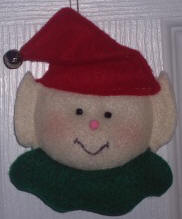
| | Felt Elf Christmas Ornament Sew this elf ornament from felt with our full size pattern. Craft Elf Original
|
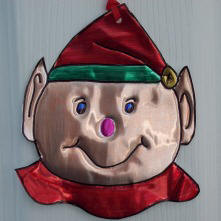
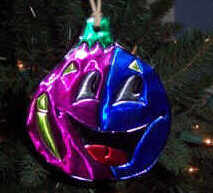
| | Elf Craft Foil Christmas Ornament A new elf pattern has been added to our free Christmas ornament craft instructions including a full size elf pattern and purchase source for the foil. Easy kids craft! Craft Elf Original
|
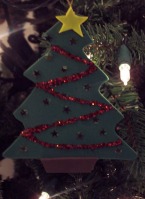
| | Craft Foam Tree Ornament Learn to make ornaments for your holiday tree with a full size pattern and step-by-step instructions. |
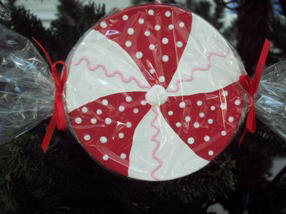
| | Peppermint Ornaments Learn to paint professional looking candy ornaments. |
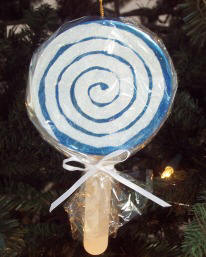
| | Lollipop Ornament Turn Paper Mache disks into a delicious looking lollipop ornaments with our free craft instructions. Craft Elf Original
|
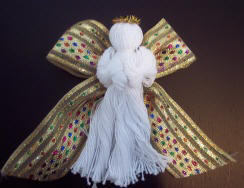
| | Angel Ornaments & Pins With some crochet thread and ribbon, you can learn to make beautiful Christmas ornaments.
|
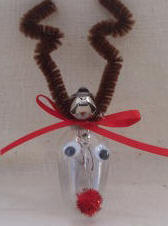
| | Reindeer Light Bulb Ornament Recycle your night light and Christmas bulbs into whimsical reindeer ornaments for your Christmas tree. |
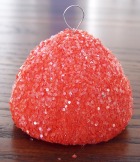
| | Gumdrop Christmas Ornament Learn to make delicious looking gumdrops to decorate your Christmas tree. Craft Elf Original
|
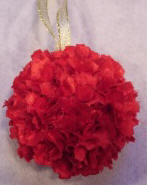
| | Fabric Ball Christmas Ornament Our easy kids craft instructions will teach you how to make a Christmas ornament from scraps of fabric.
|
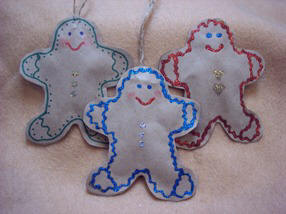
| | Craft Paper Gingerbread Man Ornaments Learn to craft scented gingerbread man ornaments from craft paper and glitter glue. |
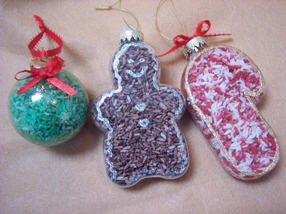
| | Rice Ornaments With our unique instructions, you can turn an ordinary fill able ornament into an extraordinary family heirloom to be cherished by generations to come. Craft Elf Original |
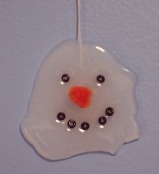
| | Melted Snowman Ornament Learn the secrets to crafting a melted snowman ornament from glue. |
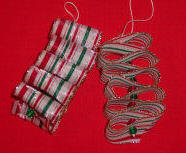
| | Ribbon Candy Ornament So realistic, friends and family will think you have actual candy on your tree. |
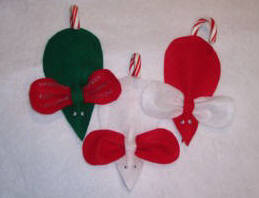
| | Mice Ornaments No sewing required for these simple felt mice. Easy kids craft.
|
| | Craft Foil Christmas Ornament Our free Christmas ornament craft instructions include full size pattern and purchase source for the foil. Easy kids craft! |
| | Snowman Ornament These Country Snowman Ornaments can be sewn in a jiffy with the full size pattern included. Craft Elf Original |
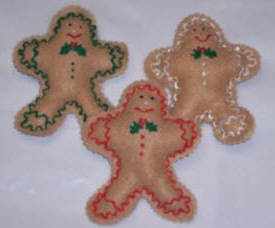
| | Gingerbread Man Ornaments Sew up some Christmas memories with these simple Gingerbread Man Ornaments made from felt. Craft Elf Original |
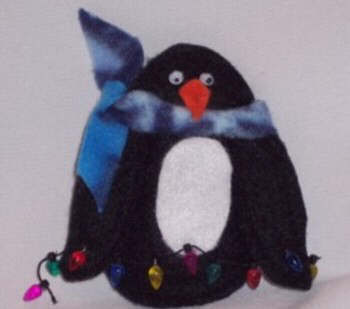
| | Penguin Ornament Our original design, this penguin ornament will be a hit with the kids when you sew it up and hang it on your Christmas tree. Includes full size pattern. Craft Elf Original |
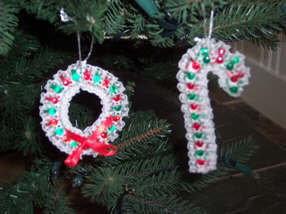
| | Wreath & Candy Cane Beaded Ornaments Instructions for these beaded Christmas ornaments include lacey and simple versions and make a great kids holiday craft. |
| | Christmas Card Ornament Need a project to use those recycled Christmas cards? Here it is. Three versions of this ornament are included. Easy kids craft. |
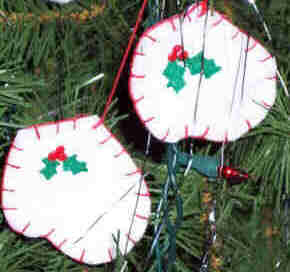
![]() | Mitten Ornaments Instructions for the blanket stitch along with directions for painting holly leaves and a full size pattern are all included. Craft Elf Original |
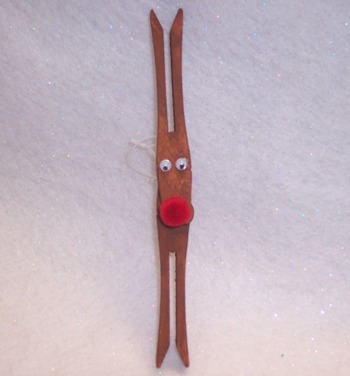
| | Clothespin Reindeer Ornament Easy kids Christmas craft project lets kids have fun painting reindeer ornaments made from clothespins. |
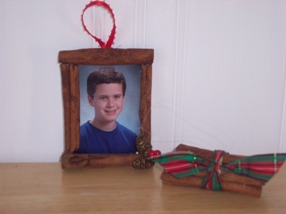
| | Cinnamon Stick Ornaments Picture frame and bundle of firewood Christmas ornaments are made from cinnamon sticks and add a nice scent to your holiday tree. Craft Elf Original |
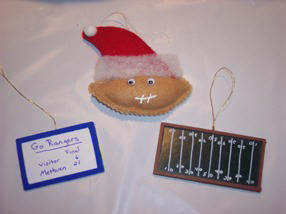
| | Set of Football Ornaments Set #1 Instructions included to craft a Scoreboard Ornament, Football Field Ornament and a Football Santa Ornament complete with full size pattern for Football Santa. Craft Elf Original |
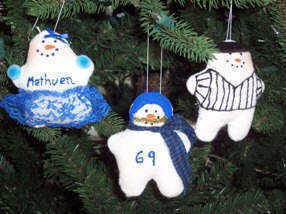
| | Snowmen Football Ornaments Set #2 Our trio of Snowmen Football Ornaments includes a cheerleader, football player and referee. Sewing is required to complete these Christmas ornaments. Full size pattern included. Craft Elf Original |
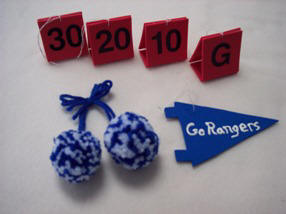
| | Football Christmas Ornament Set #3 Free pattern and instructions to craft pompom, pennant and yardage marker football Christmas Ornaments. Craft Elf Original |
mple your squares:
l it starts to meet. After the bind the ends so that it turns into sphere, stitch the two ends together. The small rosette will form if you sew the ends closer.
would like to choose the best paper available. You can check for the CK OK products. These are the papers designed for Journals or albums. It is best paper for Scrapbooks. Paper should have an acid-base; therefore look for the lignin-free products. Paper without dyes, and are colorfast are choice products also. P.A.T. approved paper is the Photo Activity Test products, which is ideal for scrapbooks. The paper is good for photos and you can easily tick your photos without any problem. They are available in decorative designs and patterns. You can find many design and patterns to choose from and you can choose what ever is suitable for your scrap book or your life style. To add to it you can buy stickers that are matching and give your scrapbook a funky look. Creating pattern with the scrapbook will remind you of your past and will bring all in to the present. Try choosing keeping all this in mind as the viewers should not stuck on the first page and will not notice inside. It will not serve its purpose if the paper is very funky or out of character.
they like and dislike. The scrapbooks can be filled with letters, journals, photos, certificates, report cards, stories, books, foot and hand prints etc.Depending on the person’s mood every small detail is inserted in the scrap book which helps jog memory of the person reading it and the person who makes it. The time is very essential part of the scrap book as you can them remember that date you posted that photograph and what was going in your mind during that time. This also helps you to design your scrapbook in the manner you like and the same can be designed as per the dates it occurred. The best is that the Time capsules can include photographs, clothes, hand/feet prints, CDs, names, weight, height, and more. For instance, you can make up a scrapbook that records your baby’s first step and up until this very moment.
crapbooks are a storybook combined with pictures, embellishments, documents, and more. Each step you take to living up your scrapbook will tell an amazing story to the audience enjoying your creation. The photos say a thousand words alone, yet if you add background, stationary, patterns, lettering, titles, captions, stickers, etc, you can living it up even more to present an outstanding story.